
Most writers know what story they want to tell — what they struggle with is building a world that makes it believable. This program addresses that gap directly, from the physics of imagined systems to the politics of invented societies.
The Complete Science Fiction Writing Program

Eight modules, one coherent craft
Identifying what your story is actually asking. The "what if" question that drives everything else — and how to test whether it's strong enough to sustain a full narrative.
Building consistent rules for technology, biology, and society. Readers don't need every detail explained — they need to feel that you know the answers even when they don't.
How characters carry the weight of exposition without becoming tour guides. Writing people who belong to their world rather than describing it from outside.
-
04
Narrative Pacing in Long-Form SFManaging reader attention across complex plots. Where to slow down for world detail, where to accelerate — and how to recognise which is needed.
-
05
Dialogue Across Cultures and SpeciesWriting speech that signals difference without becoming parody. Distinct voices for characters who don't share the same assumptions about reality.
-
06
Science and PlausibilityYou don't need a physics degree — you need enough understanding to write with confidence. How to research quickly, where to bend rules, and when accuracy matters to readers.
-
07
Revision Strategies for SFEditing speculative fiction is different from editing realism. Checking internal consistency, trimming exposition, and keeping the speculative element central throughout.
-
08
Publishing and the SF MarketWhere science fiction is being published today — short fiction markets, novel submissions, and the specific expectations of SF editors and agents.
Each module includes recorded lectures, annotated reading examples, and written exercises. Work through at your own pace — lessons remain available after the program ends.
Structured peer critique sessions after modules 3, 6, and 8. Feedback from other writers working in the genre is often more useful than abstract advice.
By the end of the program, participants have either a complete short story or the first three chapters of a novel — ready for submission or further development.
Writers who work in the field
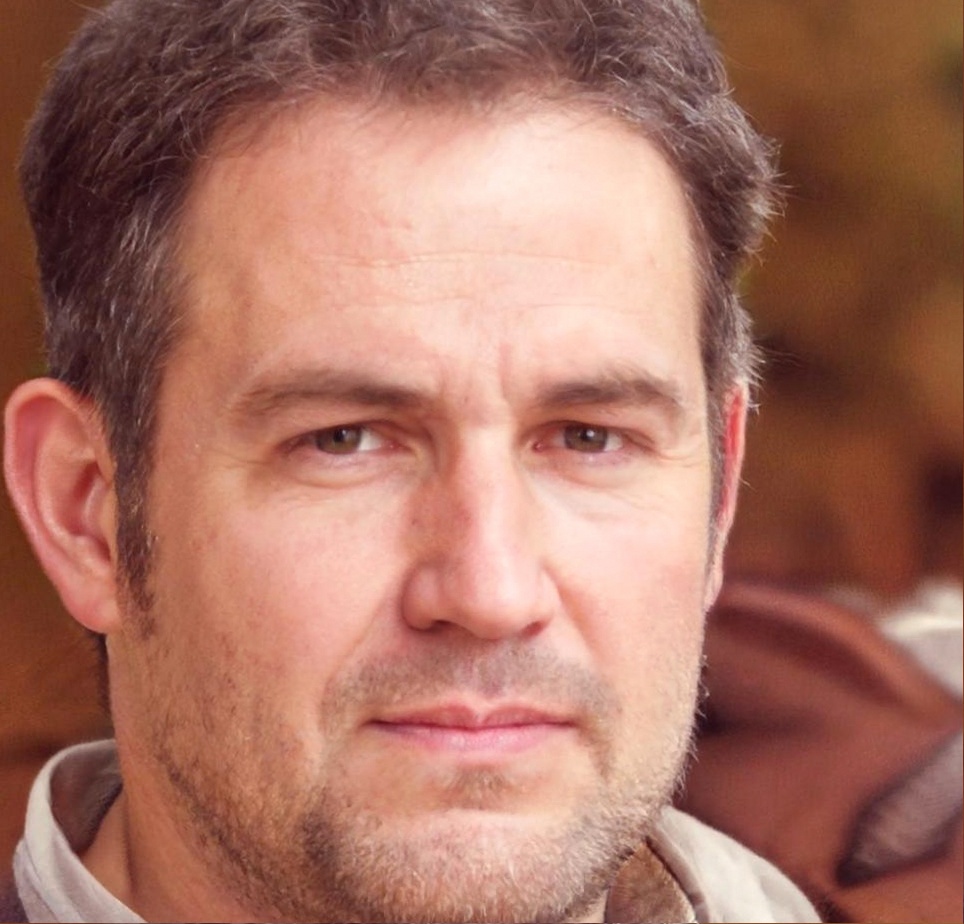
Published in Clarkesworld and Beneath Ceaseless Skies. Teodor's background is in hard SF — his teaching focuses on premise construction and the relationship between scientific plausibility and narrative tension.
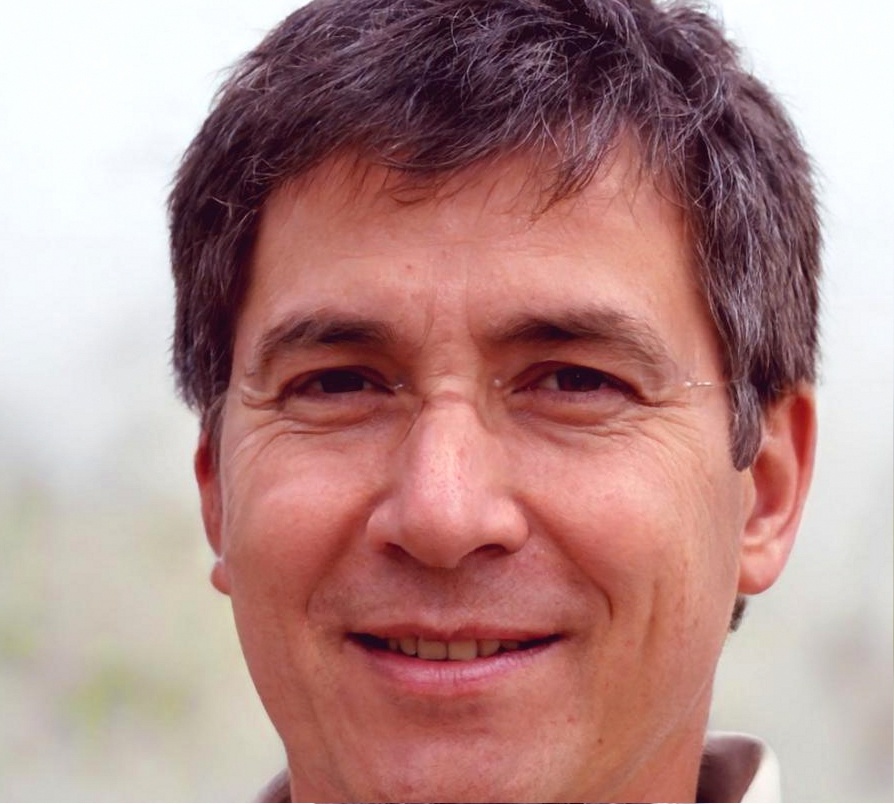
Three novels published with independent SF imprints. Callum leads the modules on character, dialogue, and revision — areas where many SF writers find their technical worldbuilding outpaces their storytelling.
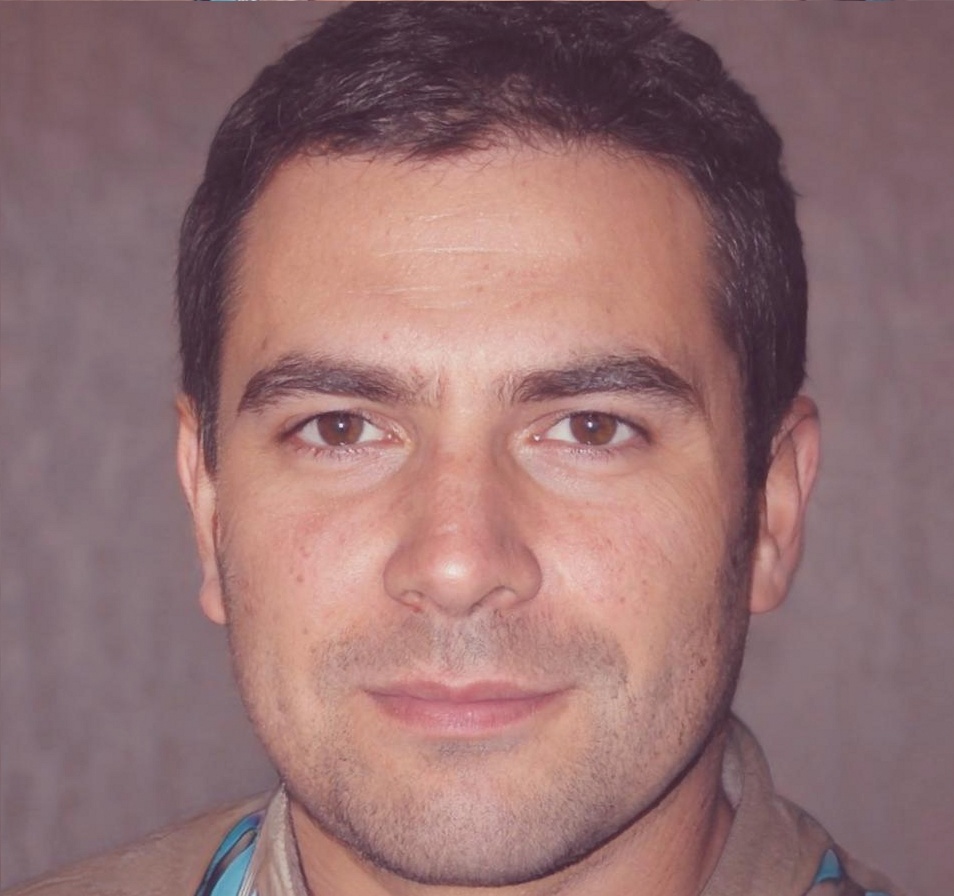
Former acquisitions reader for two genre publishers, now a working author and writing teacher. Priya covers the publishing module and brings direct knowledge of what editors are actually looking for in SF submissions.
Program details and pricing
The program runs over 10 weeks with a self-paced structure — you set your own schedule within each module window. All you need is a working draft idea and a willingness to write badly before writing well.
Includes all 8 modules, peer review sessions, and lifetime access to lesson recordings. No subscription, no hidden fees.
Get in touch to enrol